
03 / PROJECT PLANNING
Before you start an ESL project
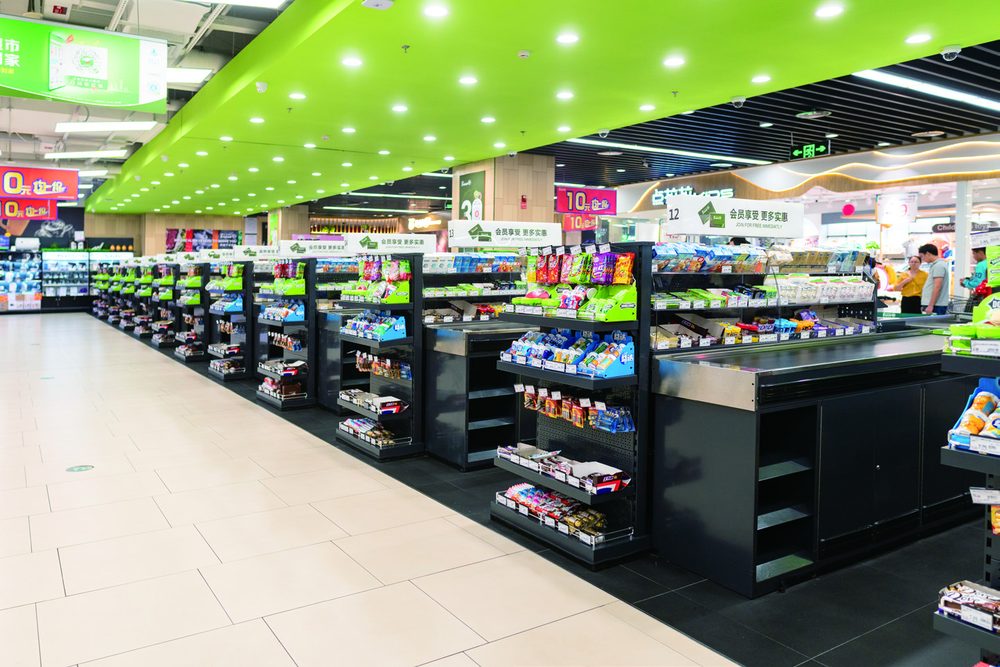
An ESL project must account for data flow and site conditions as well as label quantities. This preparation helps select the right product family and define the quotation scope.
Map products and shelves
List label quantities, proposed display sizes and shelf types. Treat standard shelves, hanging displays, fresh produce and freezers separately. Dimensions and close-up shelf photographs help with mounting selection.
Define data ownership and updates
Identify the application and version that manage products and prices, and how data can be exported. Define how barcodes or stock codes map to records. Include promotion timing, update frequency and the response to failed updates in the project scope. Integration suitability requires assessment of the existing system.
Validate placement and communications on site
Do not choose the base-station count from floor area alone. Shelf geometry, metal surfaces, label height, obstructions and network infrastructure all matter. Test updates at distant shelves, lower shelves, cold areas and densely stocked locations during the pilot.
Agree acceptance criteria in advance
- Readable layouts with the correct data fields.
- Correct label-to-product pairing.
- Successful updates in the planned scenarios.
- Suitable mounting and practical daily use.
- User access, training and support scope.
YOUR NEXT STEP
Put knowledge into practice.
Gather your initial project details. Let’s assess product selection and implementation together.
Tell us about your projectExplore the product catalogue. This guide supports initial planning; implementation conditions are verified for each project.